
Aging in place is a goal shared by many older adults, and for good reason. The ability to remain in one’s own home, surrounded by familiar spaces, routines, and memories, can have a powerful impact on quality of life. For individuals and families exploring long-term living options, understanding aging in place and how to make it successful is an important first step.
At Delta Center for Independent Living, supporting independence is at the heart of everything we do. Through comprehensive aging in place assessments and personalized guidance, we help older adults and their loved ones make informed decisions that prioritize safety, dignity, and well-being.
What Is Aging in Place?
Aging in place refers to the ability to live safely, independently, and comfortably in one’s own home and community, regardless of age or ability level. Rather than relocating to assisted living or a nursing facility, individuals choose to remain in a  familiar environment while adapting their surroundings and routines to meet changing needs.
This approach recognizes that home is more than just a place, it’s a source of identity, stability, and connection. With the right support systems and modifications, many people can continue living at home well into their later years.
Why Aging in Place Matters
For older adults, aging in place offers a wide range of emotional, physical, and practical benefits:
- Comfort and Familiarity – Being in a known environment reduces stress and anxiety. Familiar layouts, neighbors, and routines provide a sense of control and ease that can be especially important as individuals age.
- Independence and Dignity – Aging in place allows individuals to maintain control over their daily lives. From choosing meals to setting schedules, this independence can significantly boost confidence and self-esteem.
- Stronger Social Connections – Remaining in the community helps individuals stay connected to friends, family, and local resources. Social engagement is a key factor in mental and emotional health.
- Cost Considerations – While modifications and services may be needed, aging in place can often be more cost-effective than long-term residential care, especially when planned thoughtfully.
- Personalized Living – Home environments can be tailored to meet individual needs and preferences, making daily life more comfortable and accessible.
What Is an Aging in Place Assessment?
A successful aging in place plan starts with a clear understanding of an individual’s current and future needs. That’s where an assessment comes in.
An aging in place assessment is a comprehensive evaluation of a person’s home environment, physical abilities, and lifestyle. The goal is to identify potential  barriers to safety and independence, and to recommend practical solutions.
At Delta Center for Independent Living, assessments are conducted with a holistic approach, considering not just the physical space, but also the person living in it.
What Does an Assessment Include?
While each assessment is tailored to the individual, most aging in place evaluations include the following components:
- Home Safety Review – A trained professional examines the home for potential hazards, such as:
- Tripping risks (loose rugs, cluttered pathways)
- Poor lighting
- Stairs without proper railings
- Bathroom safety concerns
- Accessibility Evaluation – The assessment identifies areas where mobility may be limited and suggests improvements, such as:
- Installing grab bars and handrails
- Widening doorways for mobility devices
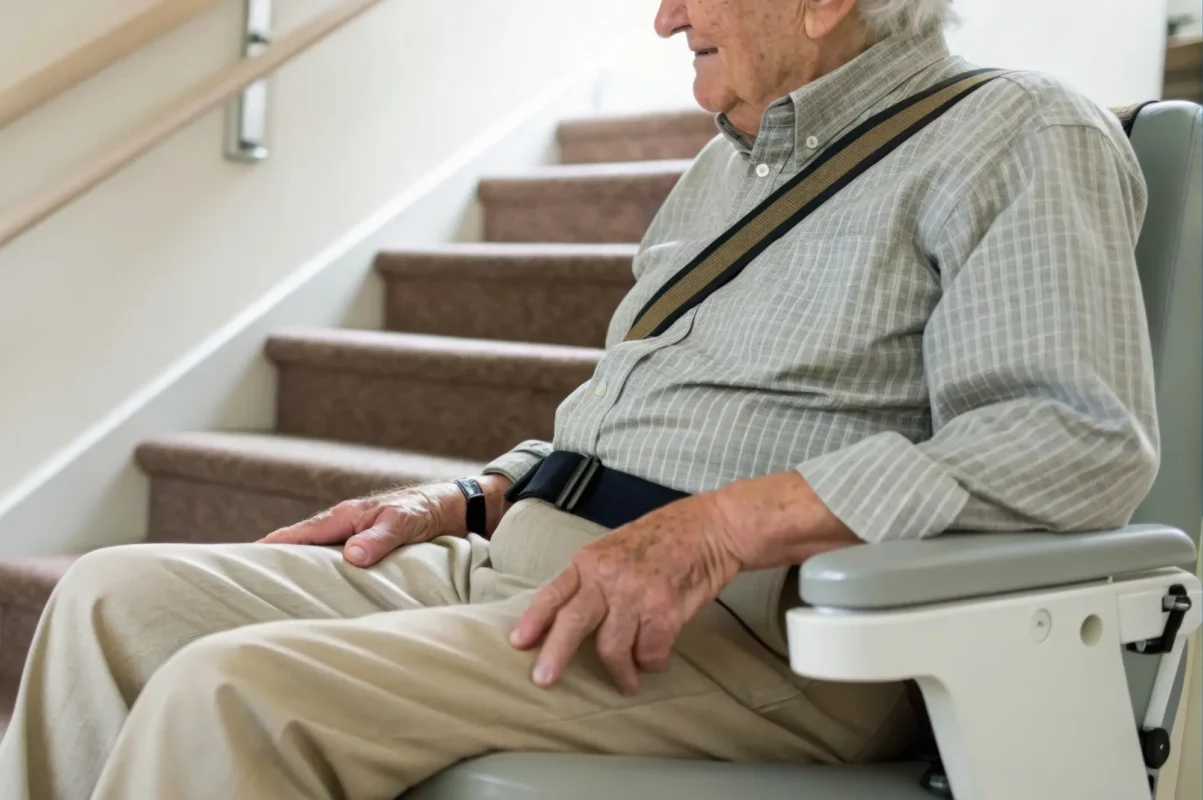
- Adding ramps or stair lifts
- Adjusting counter and storage heights
- Functional Needs Assessment – This looks at how well the home supports daily activities like cooking, bathing, and moving from room to room. It also considers any current or anticipated physical or cognitive changes.
Recommendations and Planning
After the evaluation, clients receive a detailed report with recommendations. These may include home modifications, assistive devices, community resources, or support services that can enhance independence. It’s important to understand that these recommendations vary, often greatly, from person to person. Each person’s needs are highly individualized and can change over time.
Planning for the Future
One of the most important aspects of aging in place is planning ahead. Needs can and usually do, evolve over time, and proactive adjustments can prevent accidents and reduce stress in the future.
Families and loved ones play an important role in this process. Open and positive conversations about goals, preferences, and concerns can help ensure that everyone is on the same page. Working with a trusted organization like Delta Center provides guidance and reassurance throughout the journey.
Who Can Benefit from Aging in Place?
Aging in place is not limited to a specific group, this approach can benefit a wide range of individuals, including:
- Older adults who want to remain at home
- Individuals with disabilities
- People recovering from illness or injury
- Families seeking safe, long-term living solutions for loved ones
With the right support, aging in place can be a realistic and rewarding option for many.
How Delta Center for Independent Living Can Help
Delta Center for Independent Living is committed to empowering individuals to live as independently as possible. Our aging in place assessments are designed to provide clear, practical guidance tailored to each person’s unique situation.
We understand that every home and every individual is different. That’s why we take the time to listen, evaluate, and recommend solutions that truly make a difference. Whether it’s a small modification or a comprehensive plan, our goal is to help you feel confident and secure in your home.
Take the First Step Toward Aging in Place
If you or a loved one are considering aging in place, now is the perfect time to explore your options. A professional assessment can provide valuable insights and help you create a safe, supportive environment for the years ahead.
Contact Delta Center for Independent Living today to learn more about our aging in place services and how we can help you or your loved one maintain independence, comfort, and peace of mind at home.
Your home or the home of your loved one should continue to be a place where you thrive, and we’re here to help make that possible.