
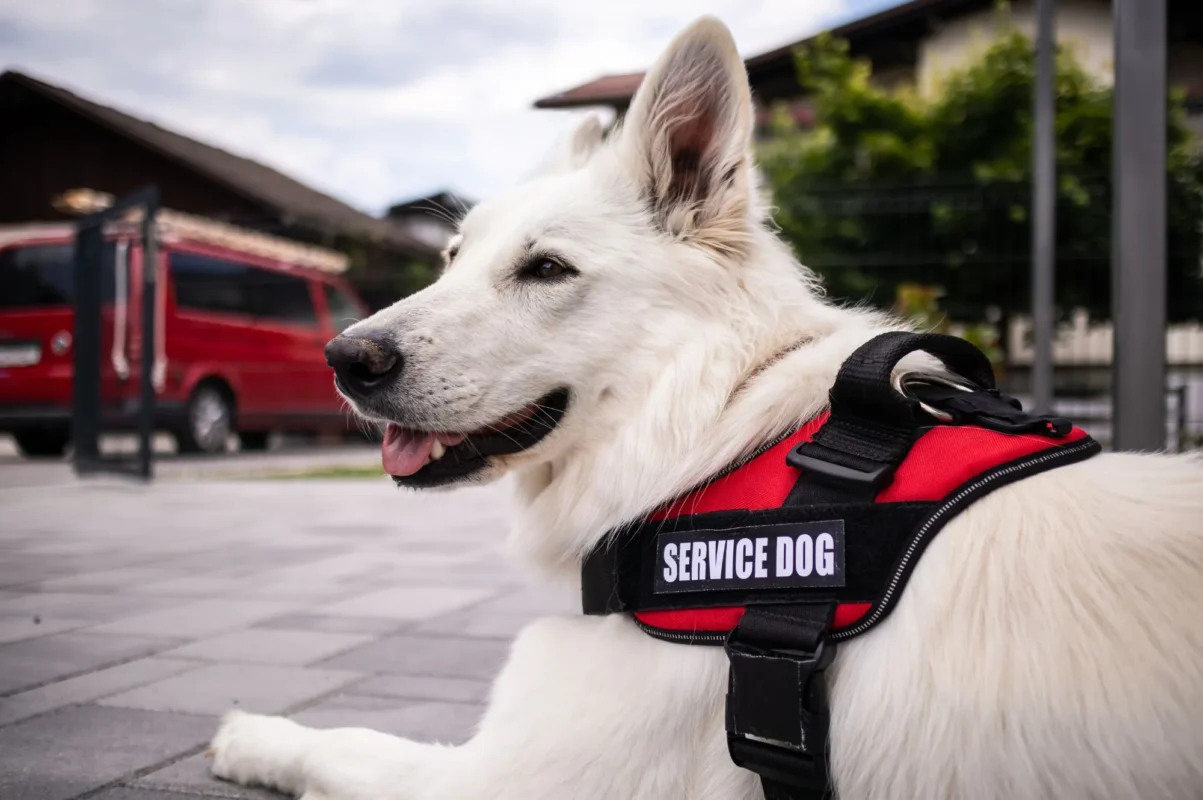
Understanding service animal laws in Missouri and how they differ from emotional support animal rights in Missouri is essential for individuals with disabilities, their families, and the businesses and housing providers who interact with them. Confusion around the rules often leads to misunderstandings, unfair treatment, or unnecessary conflict. At the Delta Center for Independent Living in St. Peters, Missouri, we help individuals navigate these laws so they can confidently exercise their rights and access the support they need.
Below is a clear, accessible breakdown of what Missouri residents should know.
Why the Distinction Matters
Service animals and emotional support animals (ESAs) both provide important assistance, but the law treats them very differently. Knowing the distinction empowers individuals with disabilities, helps prevent discrimination, and ensures compliance for businesses, landlords, and public organizations.
People often assume all assistance animals have the same access rights. However, service animal laws in Missouri clearly define which animals are allowed in public spaces, housing, and workplaces, and under what conditions.
What Legally Defines a Service Animal?
Under both the Americans with Disabilities Act (ADA) and Missouri law, a service animal is defined as a dog (or in some cases, a miniature horse) that is individually  trained to perform specific tasks directly related to a person’s disability.
Examples of service animal tasks include:
- Guiding individuals who are blind or have low vision
- Alerting someone who is deaf or hard of hearing
- Assisting with balance or mobility
- Detecting seizures or providing response support
- Interrupting panic attacks or self-harming behaviors
- Retrieving items, opening doors, or providing stability
Because these tasks directly mitigate a disability, service animals are granted extensive legal protections.
Where Service Animals Are Allowed in Missouri
According to service animal laws in Missouri, trained service animals are allowed in:
- Restaurants, stores, and entertainment venues
- Government buildings
- Public transportation
- Hotels and lodging establishments
- Schools and universities
- Most public and private businesses open to the public
Businesses may only ask two questions:
- Is the animal required because of a disability?
- What work or task has the animal been trained to perform?
They cannot request documentation, certification, or proof of training.
What Is an Emotional Support Animal (ESA)?
An emotional support animal provides comfort, companionship, or emotional stability for a person with a disability or mental health condition. ESAs do not require specialized training to perform tasks.
Therapists, doctors, or qualified mental health professionals may recommend ESAs for individuals managing conditions such as:
These animals play an important role in emotional well-being, but emotional support animal rights under Missouri law differ significantly from service animal protections.
Where Emotional Support Animals Are Allowed in Missouri
Unlike service animals, ESAs are not granted public-access rights. That means ESAs are not legally allowed in:
- Restaurants
- Grocery stores
- Theaters
- Malls
- Public transportation
- Workplaces (unless employer voluntarily accommodates)
However, emotional support animals are protected under federal housing laws. Under the Fair Housing Act (FHA):
- Landlords must make reasonable accommodations for ESAs
- Housing providers may request documentation but cannot charge pet fees
- Breed, size, and weight restrictions generally do not apply
This ensures individuals with disabilities can access stable, supportive housing environments.
Important Differences to Remember
To make things clear, here’s a simple comparison:
| Feature | Service Animal | Emotional Support Animal |
| Training Required | Yes, for specific tasks | No |
| Public Access Rights | Broad access | No public access rights |
| Housing Protection | Yes | Yes |
| Documentation Required | No | Yes, when requested by housing providers |
| Examples | Guide dog, seizure alert dog | Comfort pet for anxiety |
Knowing these distinctions helps individuals better advocate for themselves and reduces misunderstandings in the community.
Avoiding Fraudulent Documentation
A growing concern in Missouri and nationwide is the rise of websites that sell fake ESA or service animal “certifications.” Under service animal laws in Missouri, no certification or registration is required or recognized for service animals. Relying on fraudulent documents can cause legal issues and undermine trust for people who genuinely rely on their animals.
Delta Center encourages individuals to consult legitimate mental health or disability professionals when seeking ESA documentation.
How Delta Center Supports Individuals and Families
Navigating service animal laws and emotional support animal rights in Missouri can be complicated, especially for those newly diagnosed with disabilities or mental health conditions. Delta Center provides education, advocacy, and guidance to help individuals:
- Understand their rights
- Communicate with landlords or businesses
- Access disability-related supports
- Strengthen independent living skills
- Connect with peer advocates
Our goal is to ensure every person feels empowered, respected, and informed.
Need Help Understanding Your Rights?
If you or a loved one has questions about service animal laws or emotional support animal rights under Missouri law, Delta Center for Independent Living is here to help. We provide one-on-one guidance, advocacy, and resources to ensure individuals with disabilities can live with confidence and independence.
Contact the Delta Center for Independent Living in St. Peters today to speak with an advocate and learn more about your rights and options. You deserve clarity, support, and a community that stands beside you!